
Stop Building .cognition/ Folders: AI Memory Workarounds Are a Symptom, Not a Fix
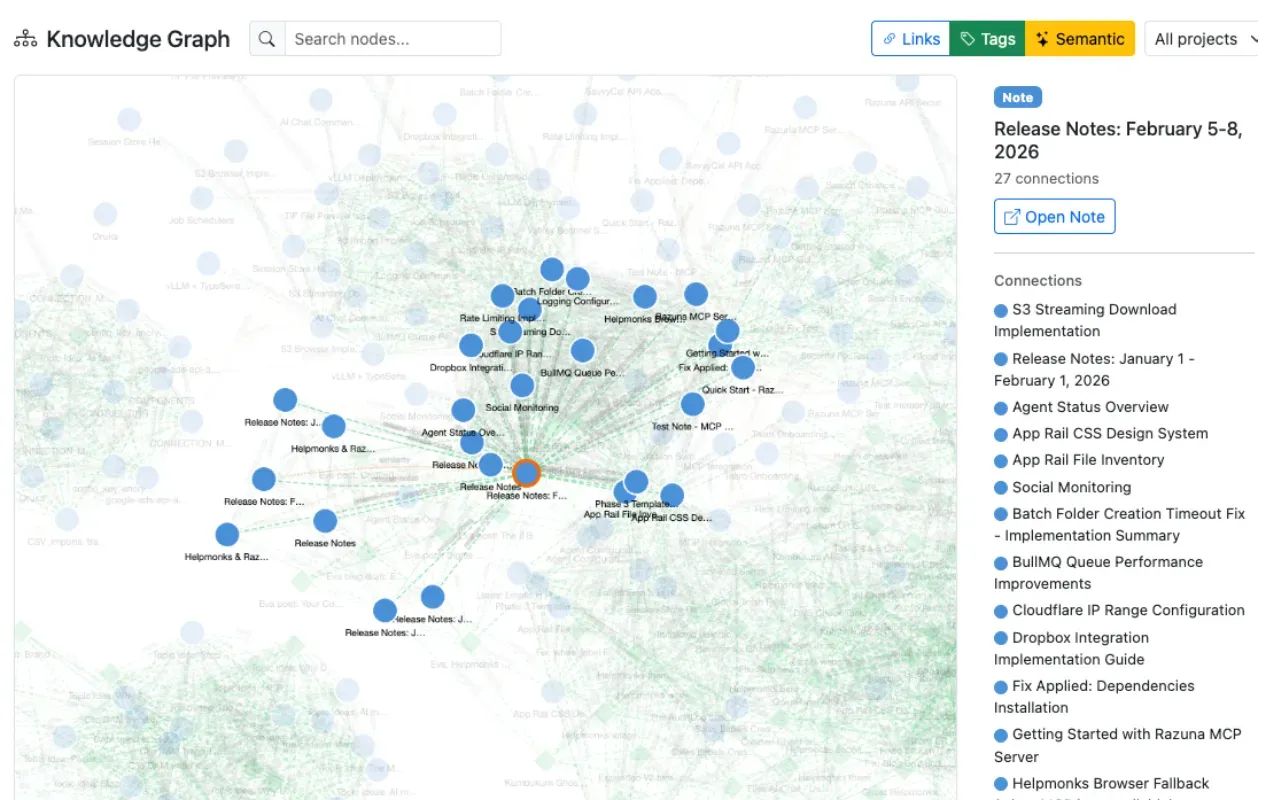
There is a very specific kind of post showing up across builder communities right now. Someone shares a carefully assembled AI workflow with a hidden folder, a naming convention, a recap file, a prompt template, and maybe a shell script that keeps the whole thing stitched together. Sometimes it is called .cognition. Sometimes it is project memory. Sometimes it is just "the setup that finally made Claude or Cursor usable." The details change. The pattern does not.
And honestly, I get why people are doing it. Native AI memory still breaks in the exact places real work starts to hurt. Long coding sessions degrade. New chats forget prior decisions. Team members cannot inherit context without somebody manually packaging it. So builders do what builders always do when infrastructure is missing: they build a workaround and keep shipping.
But here is the uncomfortable bit. These workflows are not proof that AI memory is solved. They are proof that it is still broken. The more elaborate your folder ritual becomes, the clearer the real problem gets. You are compensating for the absence of a durable memory layer. That is why Kumbukum exists in the first place.
Why .cognition folders feel smart at first
A handcrafted memory folder gives you something native chat apps often do not: control. You can decide what gets written down. You can separate specs from decisions. You can keep a running handoff file so a fresh session starts with more than vibes. That feels good because it is better than repeating yourself from scratch every time.
It also fits how technical people already think. Files are inspectable. Markdown is portable. Git gives you history. Local folders feel trustworthy in a way black-box memory features do not. When a builder says they want memory, they usually mean they want something they can see, edit, scope, and carry across tools. Not a mystery feature buried behind a chat product's settings page.
So yes, these systems are often rational. They are also a warning sign. When users invent their own sidecar operating system just to keep an assistant useful across sessions, the market is telling you the core product still has a gap.
The workaround tax gets ugly fast
The first version of the workaround looks simple. One folder. Two notes. Maybe a project brief and a recent-decisions file. Then reality hits. The project branches. One teammate updates the brief but not the handoff. Another AI session writes stale assumptions back into the notes. The prompt that worked last week starts dragging in too much noise. Now you need conventions for what counts as memory, what gets summarised, what gets archived, and what the model should ignore.
At that point, you are not just doing the work. You are maintaining the memory scaffolding around the work. That is time, tokens, attention, and discipline being spent on compensating for missing infrastructure. Builders will tolerate that for a while, because the alternative is worse. But it is still a tax.
This is the trap behind so many AI memory workarounds. They start as a productivity gain and slowly turn into operational debt. If a system only works because one careful human keeps curating it, that system is fragile by design.
What these folders are really telling us
They are telling us builders do not just want longer context windows. They want continuity. They want an assistant to remember why option B was rejected, which repo convention matters, what the client actually approved, and which dead end should not be retried next Tuesday. That is not the same as dumping more text into a prompt.
They are also telling us the market is moving toward open, transparent, builder-first memory. People want inspectable systems, not magical memory branding. They want to know what was stored, how it is retrieved, and whether they can move it somewhere else later. That is why open-source and self-hosted memory projects are getting so much attention right now. Builders are tired of renting continuity from a single closed tool.
In other words, the folder itself is not the product. The demand behind it is the product. The folder is just the symptom.
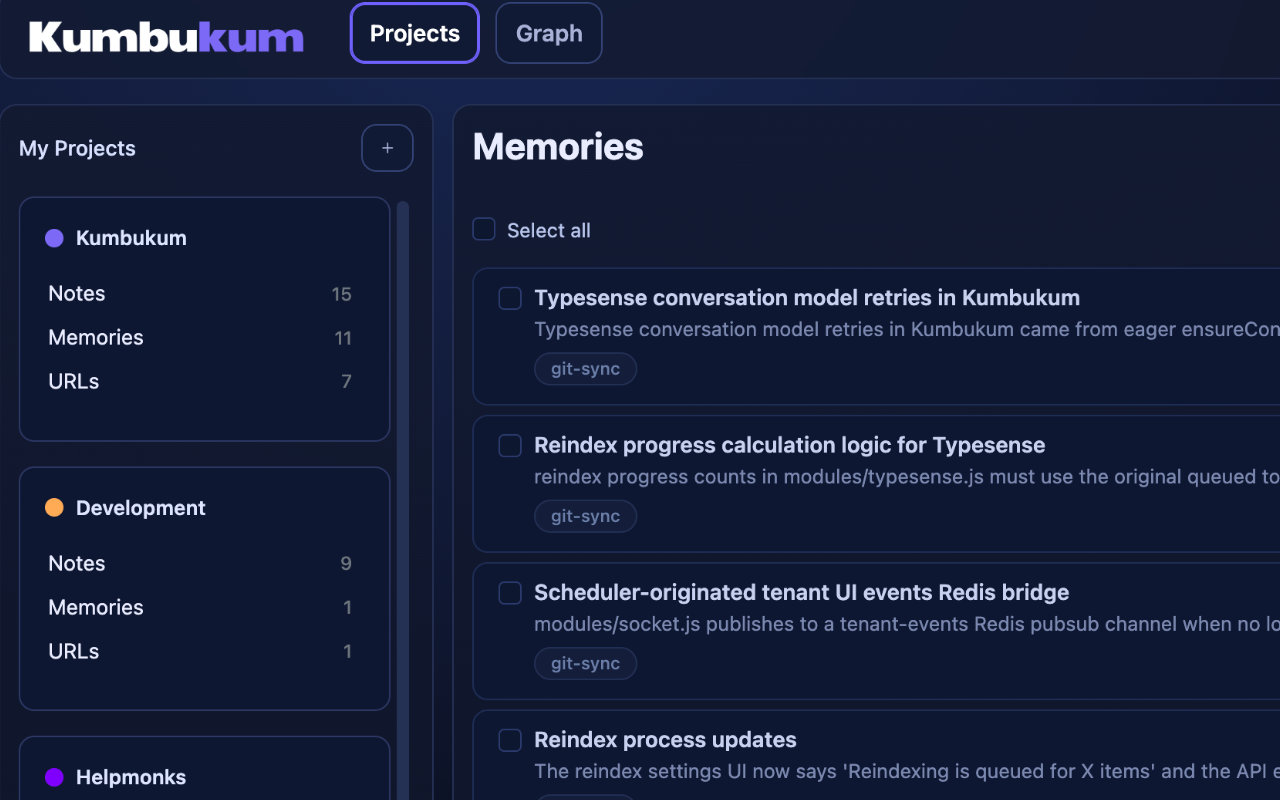
A real memory layer should remove ritual, not require more of it
The goal is not to shame people for building clever local systems. I am glad they did. Those experiments exposed the job that a proper memory layer has to do. But the endgame should be less ceremony, not more.
A real AI memory layer should capture durable context without forcing you to hand-curate every session. It should retrieve the relevant bits when needed instead of making you paste recap files into every prompt. It should support project boundaries so one client does not bleed into another. And it should travel across tools, because nobody serious believes they will use the same model and interface forever.
That last point matters even more during this new website launch phase. The builder mood has shifted. People want open components, explicit tradeoffs, and infrastructure they can reason about. Memory is no exception. If your AI memory cannot be inspected, exported, and adapted, advanced users will treat it as a temporary convenience, not core infrastructure.
Why this matters for coding teams right now
Coding workflows expose the weakness fastest. Developers bounce between editor agents, chat tools, issue trackers, docs, and terminal sessions. Important context gets created everywhere: implementation notes, rejected approaches, deployment gotchas, naming decisions, performance findings, security constraints. A plain folder can hold some of that, but it cannot actively behave like shared project memory unless somebody keeps wiring it up by hand.
That is why teams end up with brittle rituals: update the recap after each session, refresh the context file before handing off, tell the agent to read the memory folder first, regenerate the summary if the conversation drifted too far. Every extra ritual is a clue that the memory layer still lives outside the workflow instead of inside it.
The better architecture is simple: keep tool access open, keep memory persistent, and keep both inspectable. That gives builders something they can trust and extend. It also keeps them from getting trapped in the latest vendor-specific memory gimmick.
Where Kumbukum fits
Kumbukum is built around that exact gap. Not as another prompt hack, and not as a black-box memory feature that asks for faith. The point is to give builders a persistent memory layer that works across MCP-compatible tools, survives session resets, and stays understandable to the people using it.
That means memory can be stored intentionally, searched later, linked to projects, and reused across workflows without turning your repo into a shrine of recap files. It also means you are not forced into a false choice between portability and usefulness. Open transport matters. Transparent memory matters more.
If you have been building your own .cognition folder, that does not mean you were wrong. It means you found the missing layer before most vendors admitted it was missing. The next step is not to keep adding more duct tape. The next step is to replace the duct tape with infrastructure.
The practical test
Ask one simple question: if your current workflow lost the ritual tomorrow, would the memory still hold? If the answer is no, you do not yet have durable AI memory. You have a manual compensation system. Helpful, yes. Scalable, no.
The strongest builder stacks over the next year will not be the ones with the fanciest memory marketing. They will be the ones that reduce recap work, keep context inspectable, and let teams carry continuity across tools without rebuilding it every week. That is the difference between a workaround culture and real infrastructure.
If you want to see where this is going, start with the Kumbukum blog and then try Kumbukum. Builders should not have to keep inventing sidecar memory systems just to make AI feel usable.